PRP vs. Exosomes: Two Regenerative Approaches for Revitalized Skin and Hair

Are you looking to improve the quality of your skin or hair, or to restore firmness, radiance, or vitality?
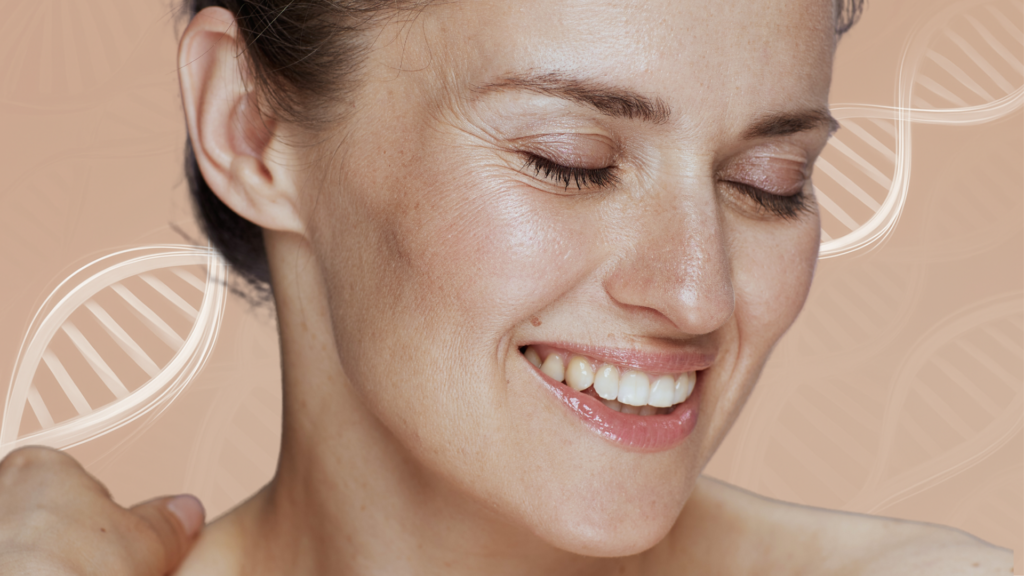
Regenerative skincare stands out for its natural approach: it does not seek to freeze or transform, but rather to stimulate the body’s natural regenerative processes.

Two treatments are central to this approach: PRP (platelet-rich plasma) and exosomes.
They share the same goal—to restore the health and structure of the skin or scalp—but they work in very different ways.

PRP: Regeneration Through Your Own Body's Natural Processes

PRP is based on a simple principle: using your own body’s resources. A small blood sample is drawn, centrifuged, and then the platelets—rich in growth factors—are reinjected into the target area. These biological factors act as signals for cell repair and stimulation.

Studies have shown that PRP promotes collagen synthesis, improves skin texture and firmness, and can reduce the appearance of certain scars or pigmentation irregularities.

Good to know
The quality of PRP depends directly on your lifestyle: hydration, diet, sleep, and stress levels all influence the richness of your plasma. In other words: the more balanced your body is, the more effective your PRP will be.

Exosomes: Science in the Service of Cell Regeneration

Exosomes are tiny cellular messengers developed through research in regenerative medicine. Their role is to facilitate communication between cells to promote tissue repair, stimulate collagen production, and reduce inflammation.

Unlike PRP, their effectiveness does not depend on your individual physiology: each preparation contains a stable and consistent concentration of active molecules (proteins, growth factors, messenger RNA).

The results observed:

  • improved texture and brightness;

  • reduction of redness and dark spots;

  • firmer, more even-toned skin.

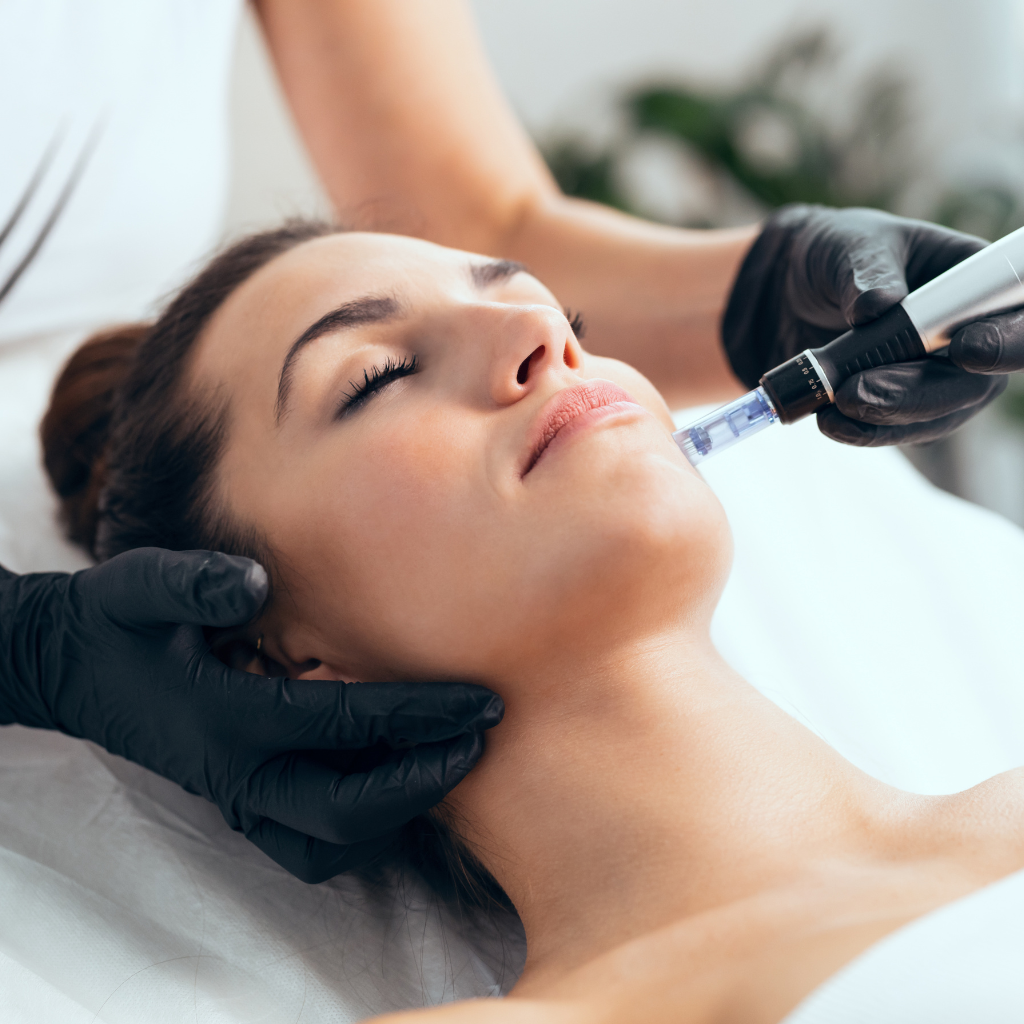
Exosomes are often incorporated into other treatments (microneedling, Morpheus8, etc.) to optimize skin regeneration.

PRP: Regeneration Through Your Own Body's Natural Processes

PRP is based on a simple principle: using your own resources.
A small blood sample is drawn, centrifuged, and then the platelets—rich in growth factors—are reinjected into the target area.
These biological factors act as signals for cell repair and stimulation.

Studies have shown that PRP promotes collagen synthesis, improves skin texture and firmness, and can reduce the appearance of certain scars or pigmentation irregularities.

Good to know
The quality of PRP depends directly on your lifestyle: hydration, diet, sleep, and stress levels all influence the richness of your plasma.
In other words: the more balanced your body is, the more effective your PRP will be.

Exosomes: Science in the Service of Cell Regeneration

Exosomes are tiny cellular messengers developed through research in regenerative medicine.
Their role is to facilitate communication between cells to promote tissue repair, stimulate collagen production, and reduce inflammation.

Unlike PRP, their effectiveness does not depend on your individual physiology: each preparation contains a stable and consistent concentration of active molecules (proteins, growth factors, messenger RNA).

The results observed:

  • improved texture and brightness;

  • reduction of redness and dark spots;

  • firmer, more even-toned skin.

Exosomes are often incorporated into other treatments (microneedling, Morpheus8, etc.) to optimize skin regeneration.

PRP and Exosomes for Hair Health

When it comes to the scalp, both approaches offer promising results.

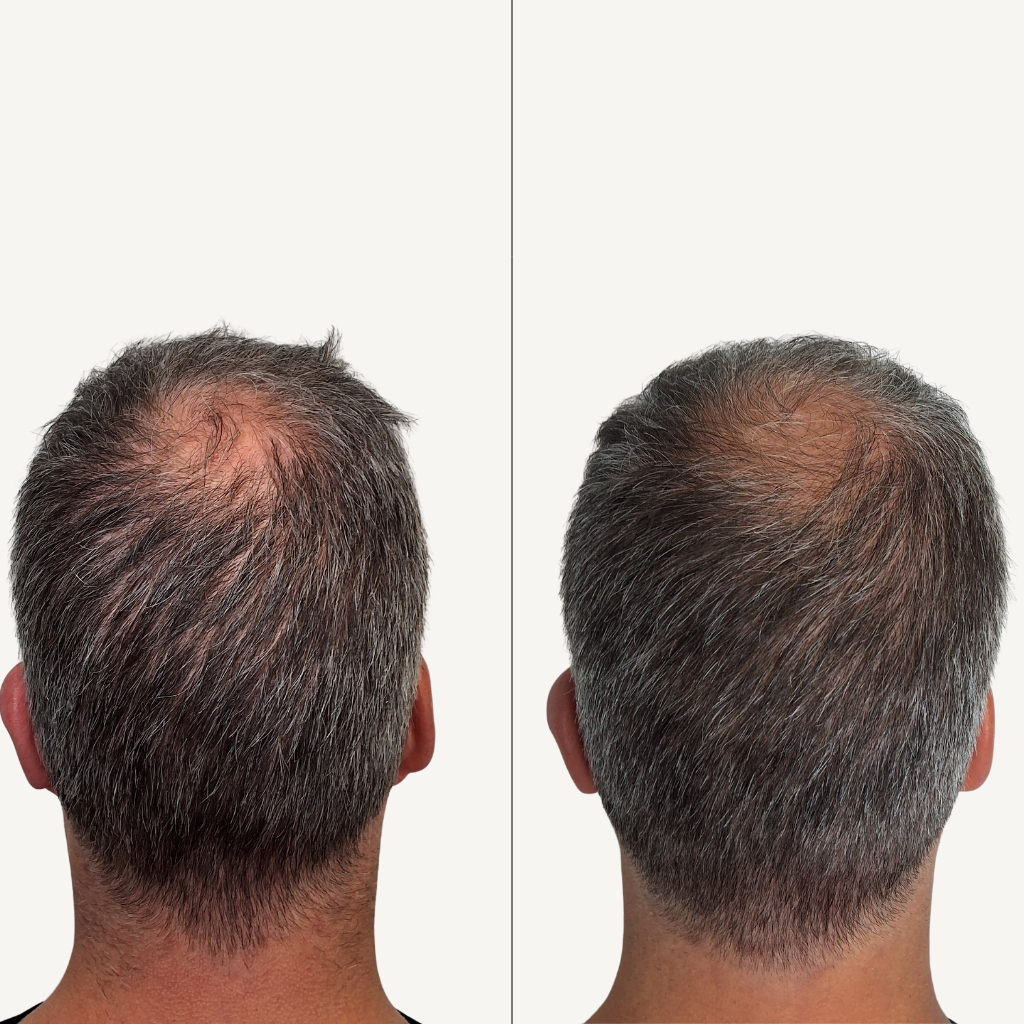
PRP stimulates microcirculation and reactivates dormant hair follicles. It is particularly recommended for cases of thinning hair or seasonal hair loss.

Exosomes, for their part, act as anti-inflammatory and regenerative mediators. They support hair regrowth, strengthen the hair shaft, and improve long-term scalp health.

PRP is often preferred for its “personalized biological” effect. Exosomes, on the other hand, offer a more consistent and sustained response, particularly on more sensitive or weakened scalps.

What about injectables?

Regenerative treatments (PRP and exosomes) differ from dermal fillers and botulinum toxin.
The goal is not to fill, paralyze, or alter volume, but to stimulate cells to function more effectively.

  • Fillers restore volume.

  • Neuromodulators (such as botulinum toxin) relax the muscles that cause expression lines.

  • Regenerating skincare treatments, on the other hand, improve the very quality of the skin tissue: hydration, elasticity, radiance, and density.

It’s a more comprehensive approach—sometimes slower, but more sustainable.

PRP and exosomes aren’t at odds with each other—they complement each other. One draws on the power of your own biology, while the other relies on the precision of regenerative science. Both aim to support the skin’s (and hair’s) natural ability to regenerate.

The right choice?
The one that suits your needs, your lifestyle, and your goals.
Because lasting beauty isn’t just skin-deep—it comes from within.

Sources:

  • Suh, D.H., et al. (2024). Platelet-rich plasma in aesthetic dermatology: clinical efficacy and influencing factors. Journal of Cosmetic Dermatology. PMC11035968

  • Zhu, J., et al. (2023). Exosomes in Skin Rejuvenation and Wound Healing. BioSignaling. DOI: 10.1186/s12964-023-01451-3

  • Gentile, P. (2023). PRP for hair loss: mechanisms and results. International Journal of Trichology. PMC8182581

  • Kim, S. et al. (2022). Exosome-based therapy in hair restoration: emerging evidence. Journal of Cosmetic and Laser Therapy. PMC9810265

Exclusive Event | BTL Bus Tour at VK Derma

The must-see event of the summer!